Nuclear sites and surroundings
Monitor the surroundings of power stations, easement zones and the immediate environment from orbit.

Nuclear & critical infrastructure
Space technology serving strategic energy assets
Nuclear power stations, high-voltage transmission networks and strategic industrial sites operate in complex, far-reaching and sensitive environments.
Space data and artificial intelligence open up new capabilities for observing, anticipating and managing these assets.
Context
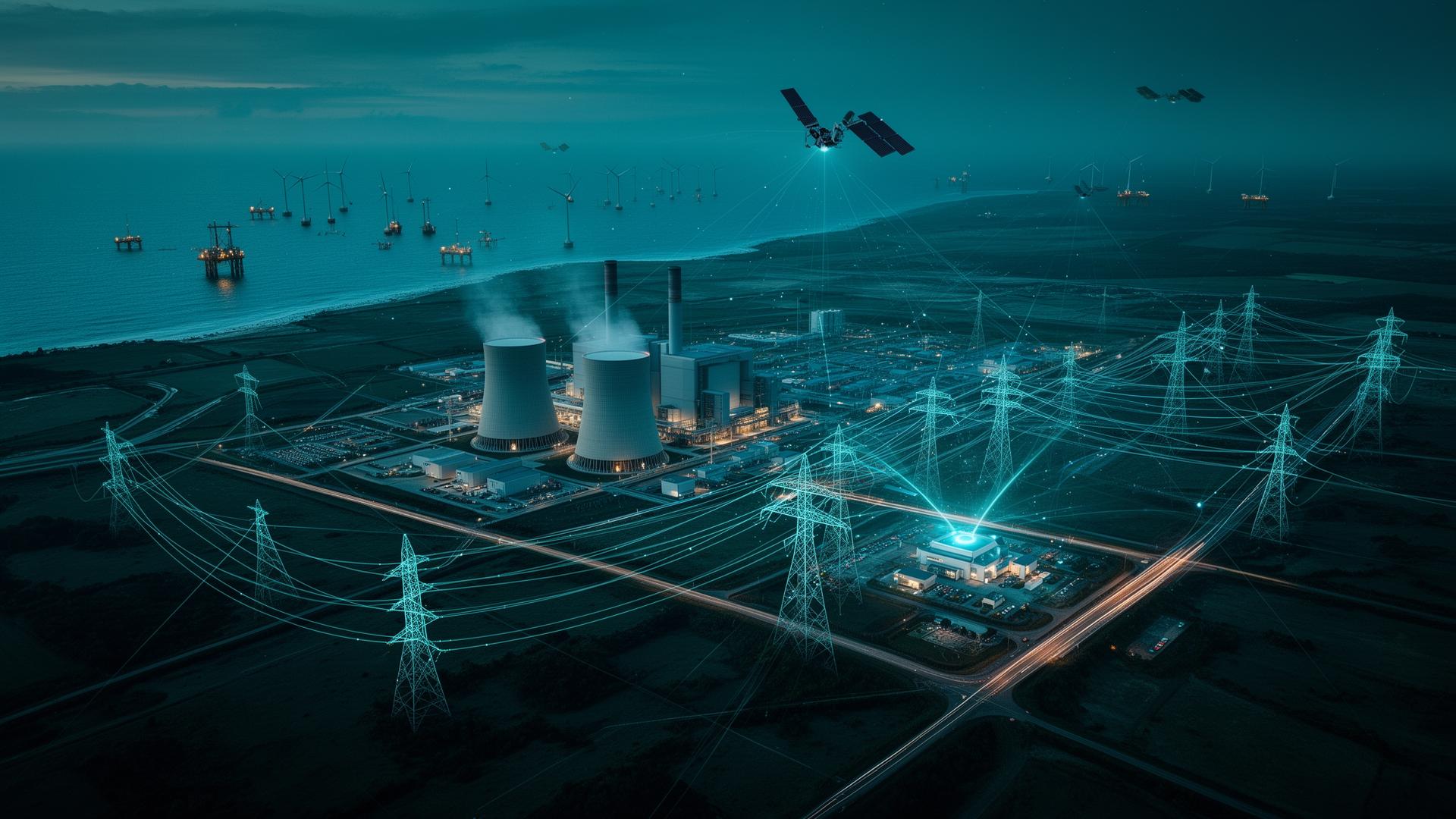
Satellites provide a continuous view of energy sites and their environment. Combined with artificial intelligence, this data makes it possible to anticipate external risks, observe infrastructure at scale and reduce unnecessary field interventions.
Permanent coverage, independent of access and weather constraints, that complements existing supervision systems.
Critical energy infrastructure faces growing challenges:
Capabilities
Six observation families to secure, understand and anticipate operations across critical assets.
Monitor the surroundings of power stations, easement zones and the immediate environment from orbit.
Observe power lines, substations and energy corridors across vast territories.
Detect thermal anomalies, plumes, pollution and environmental incidents.
Anticipate floods, droughts, ground movements and extreme weather events.
Track the levels and temperatures of watercourses used for cooling.
Monitor terminals, storage sites, access routes and strategic industrial zones.
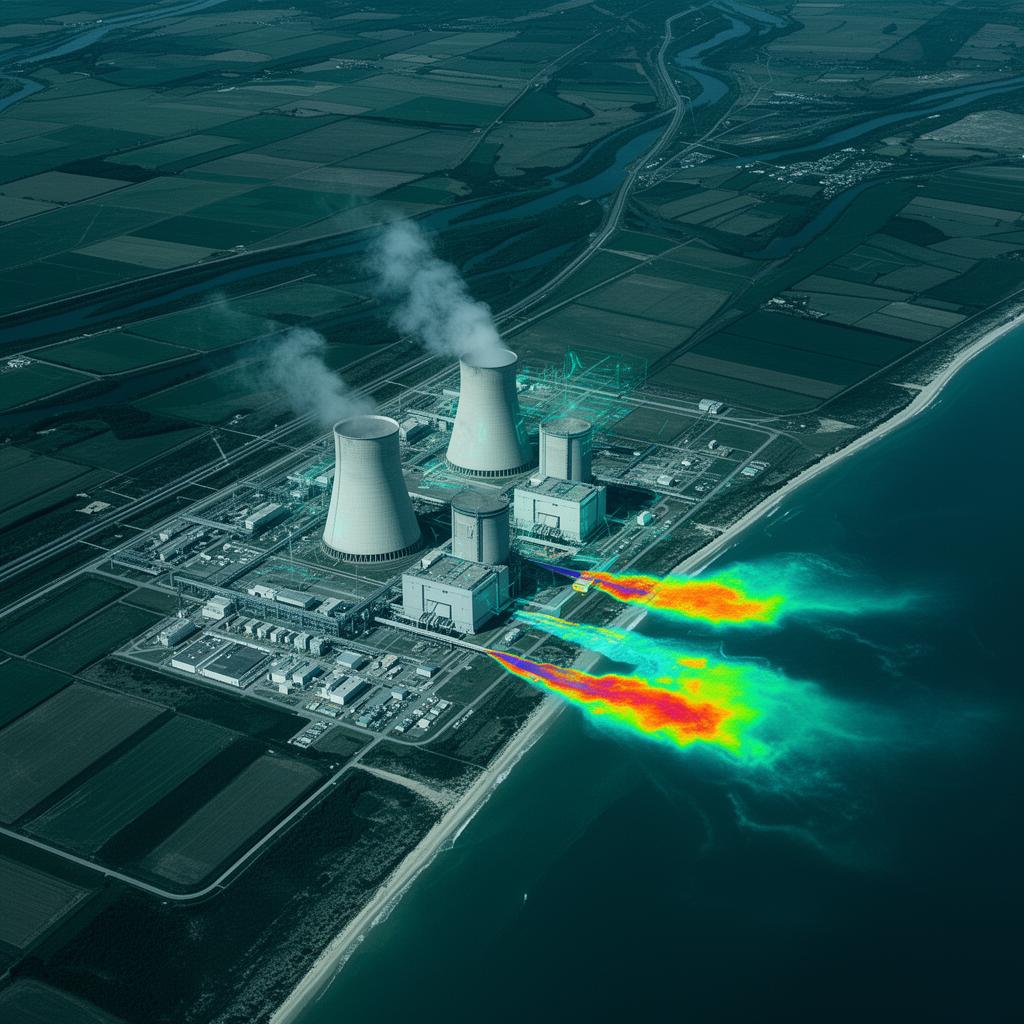
Monitoring the surroundings and environment of power stations.
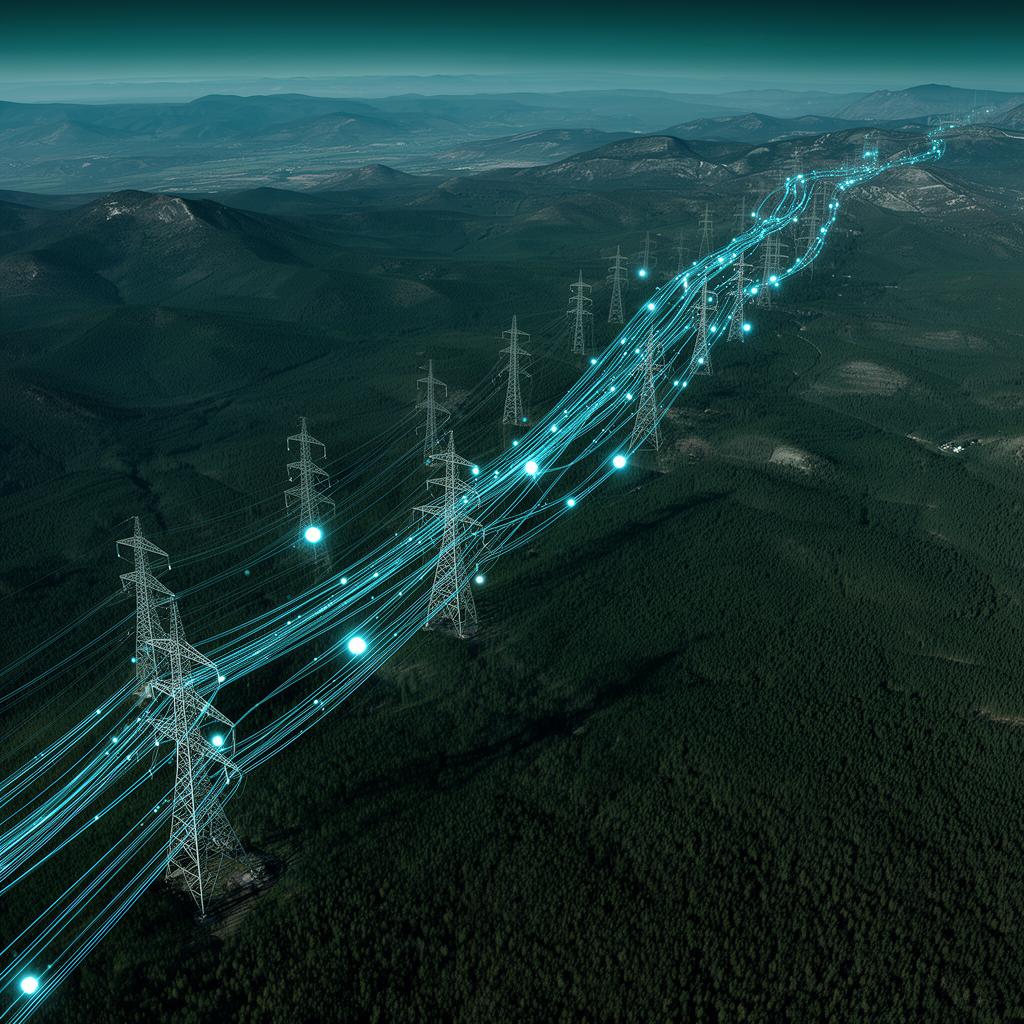
Observation of energy corridors across vast territories.
Use Cases
Space technology fits into the operational chains of operators, network managers and authorities.
Environmental monitoring of sites and their surroundings.
Oversight of high-voltage lines and anticipation of incidents.
Optimised planning of on-site interventions.
An independent, continuous view of the environment around installations.
Objective environmental documentation around the sites.
Assessing exposures and anticipating losses.
Methodology
A continuous value chain, from orbital observation to operational management.
Optical, radar and hyperspectral imagery.
Climate, ocean and atmospheric forecasting.
Precise positioning of assets and field teams.
Permanent connectivity on remote sites.
Anomaly detection, predictive models, decision support.
Indicators and alerts directly usable by field teams.
Outcomes
Applications
Four scenarios in which space data transforms the conduct of operations on critical assets.
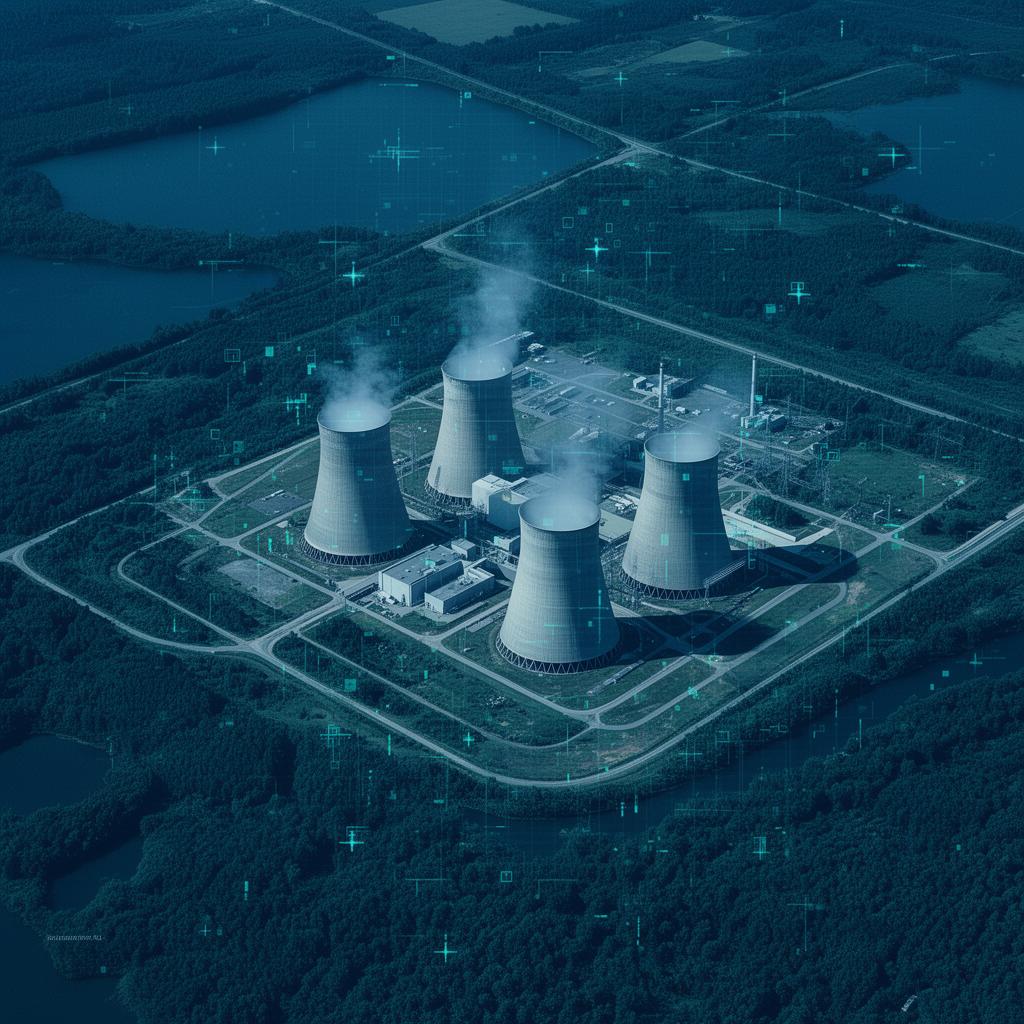
Tracking thermal discharges, plumes and the immediate environment around power stations.
Early detection of anomalies along energy corridors and anticipation of incidents.

Identifying assets exposed to extreme events and preparing the response.
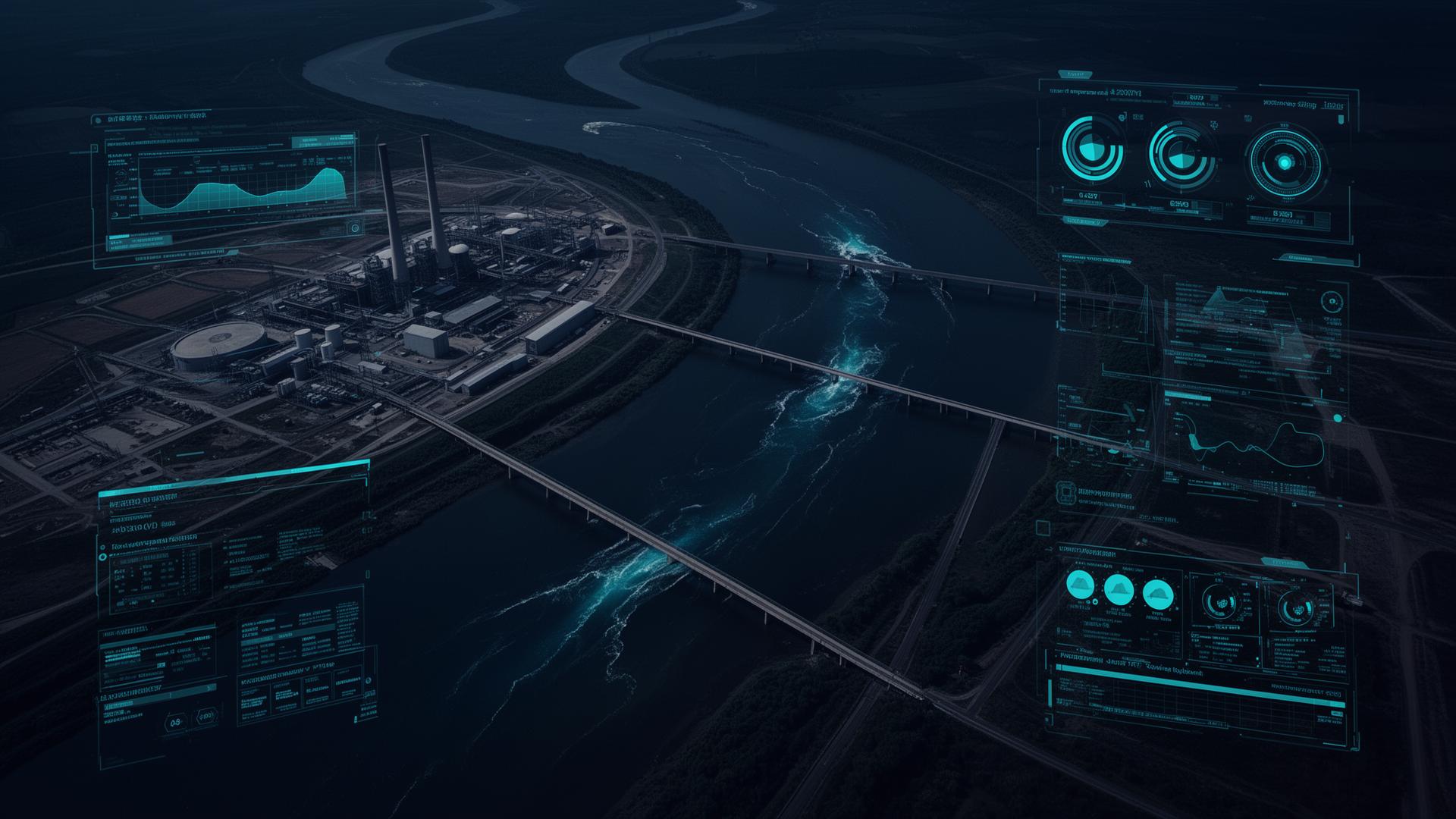
Observation of cooling watercourses, anticipating constraints during drought periods.
Why Hyperion
We select the best space technologies to match your industrial and regulatory challenges.
Fusion of satellite, weather, IoT and business data within a unified chain.
Transforming space data into indicators directly usable by field teams and steering committees.
Outlook
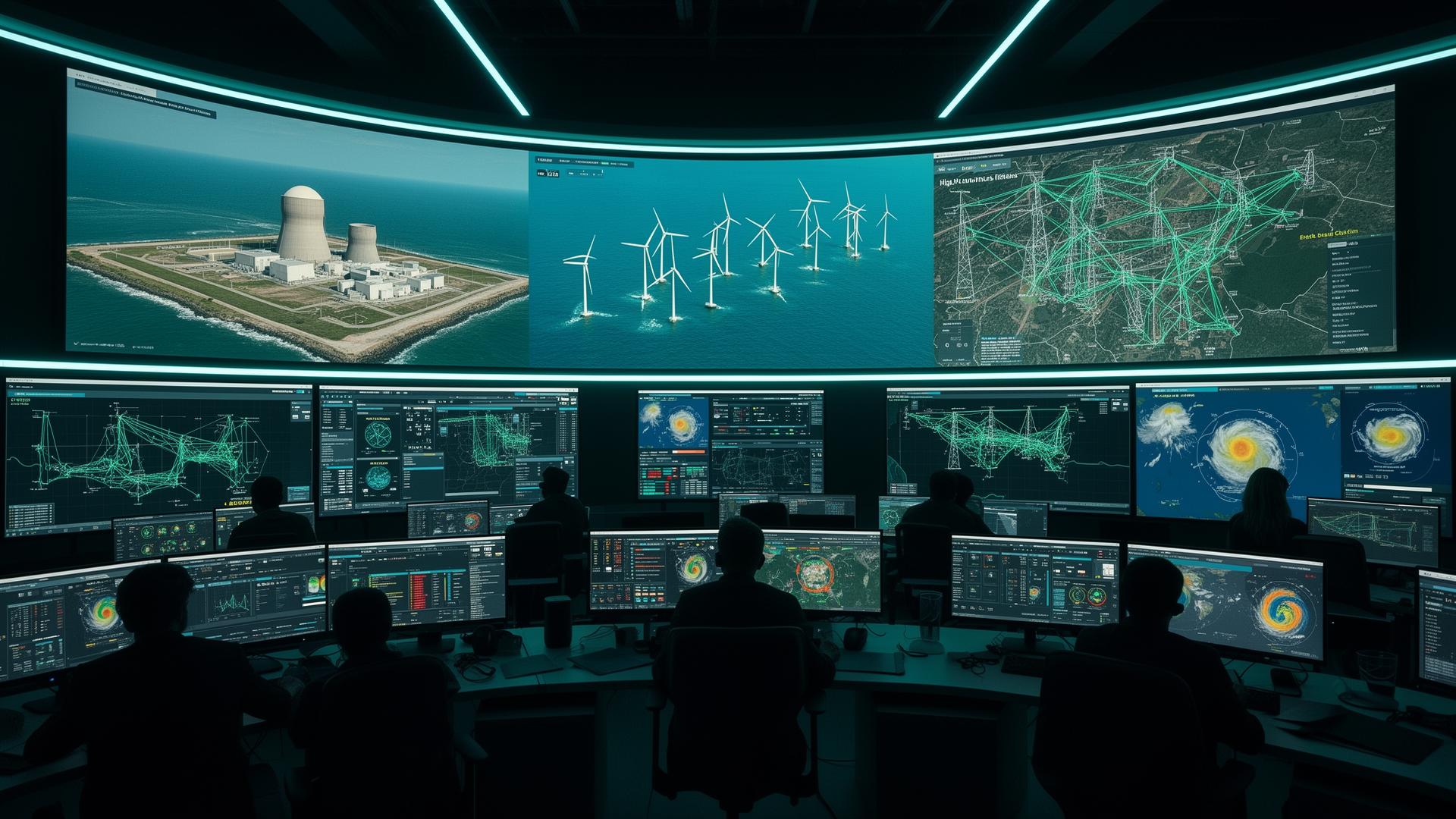
Energy infrastructure is becoming ever more strategic against a backdrop of energy sovereignty, climate transition and the revival of nuclear power. Space technology now delivers a global, continuous view of these assets, from power stations to transmission corridors.
This permanent observation capability is a major lever for improving the safety, performance and resilience of critical energy infrastructure.
Let's take action
Space technology now offers a new way to monitor, understand and manage strategic energy assets.
Explore
Space is transforming many fields. Move from one sector to another to explore what orbital data can bring to your business.