Launch Sites
Monitor the environment of space sites and anticipate operational constraints.

Aerospace & Orbital Infrastructure
Observe, connect and secure aerial and space operations
From monitoring critical infrastructure to managing aerial and space traffic, orbital technologies are becoming an essential lever for improving the safety, performance and resilience of operations.
Space is no longer confined to outer space: it now directly contributes to the efficiency of aeronautical and industrial activities on Earth.

Context
Every launch, every space mission and every flight now relies on a complex set of space services. Positioning, synchronisation, observation, meteorology, communications and surveillance form the essential building blocks for safe and high-performing operations.
Combined with artificial intelligence, these capabilities help anticipate risks, strengthen situational awareness and improve decision-making.
Space building blocks at the heart of every operation:
Capabilities
Six observation families to secure and anticipate aerial and space operations from orbit.
Monitor the environment of space sites and anticipate operational constraints.
Monitor control centres, ground antennas, strategic networks and industrial installations.
Analyse atmospheric conditions affecting flights and launches.
Enhance situational awareness through positioning and surveillance systems.
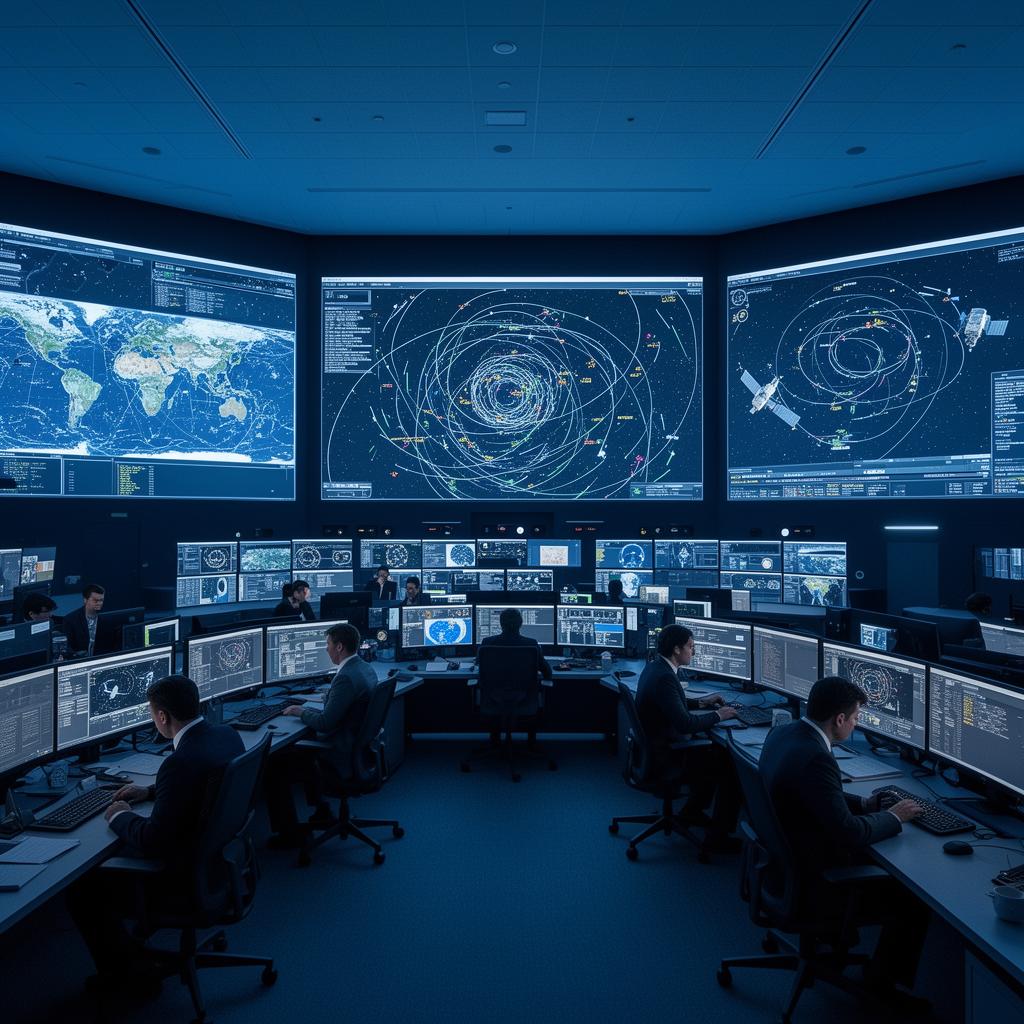
Track satellites, constellations and the orbital environment.
Identify risks and strengthen infrastructure resilience.
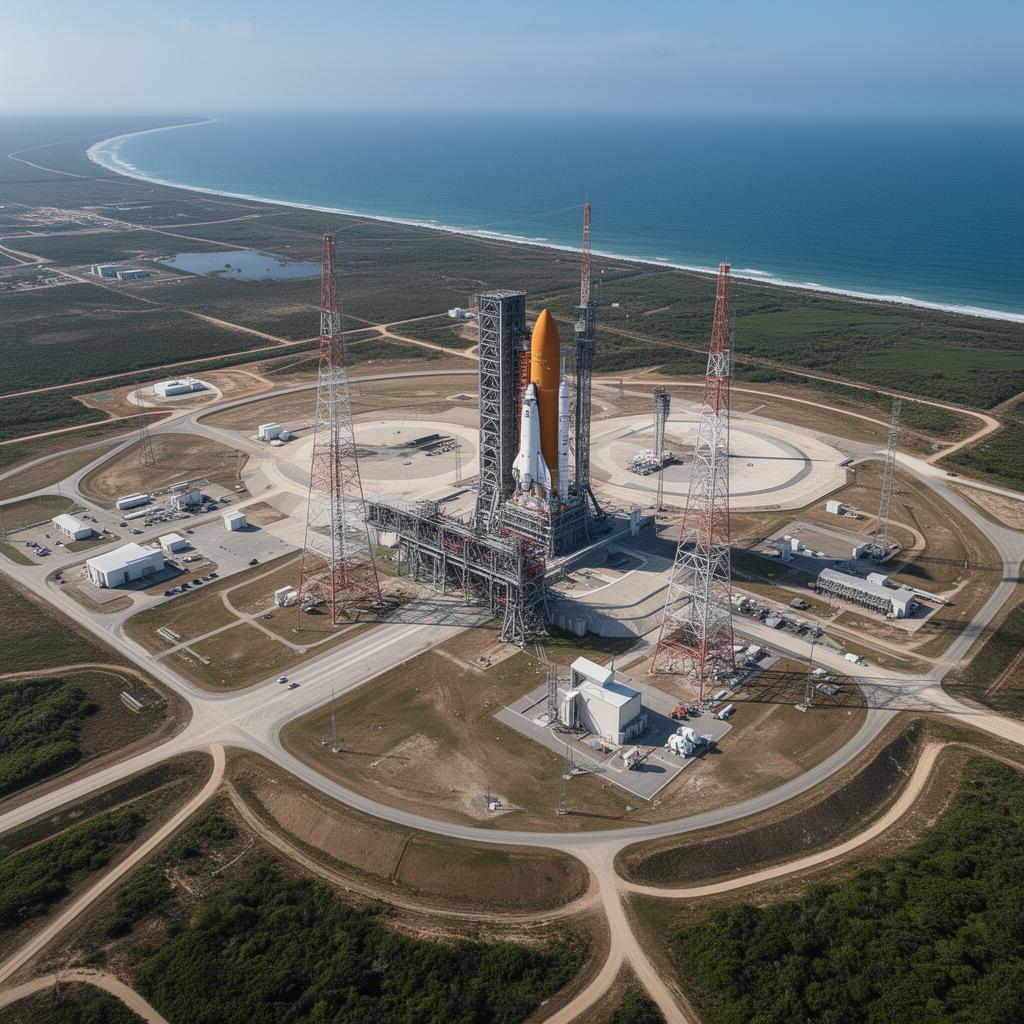
Monitoring the environment of space sites ahead of each campaign.
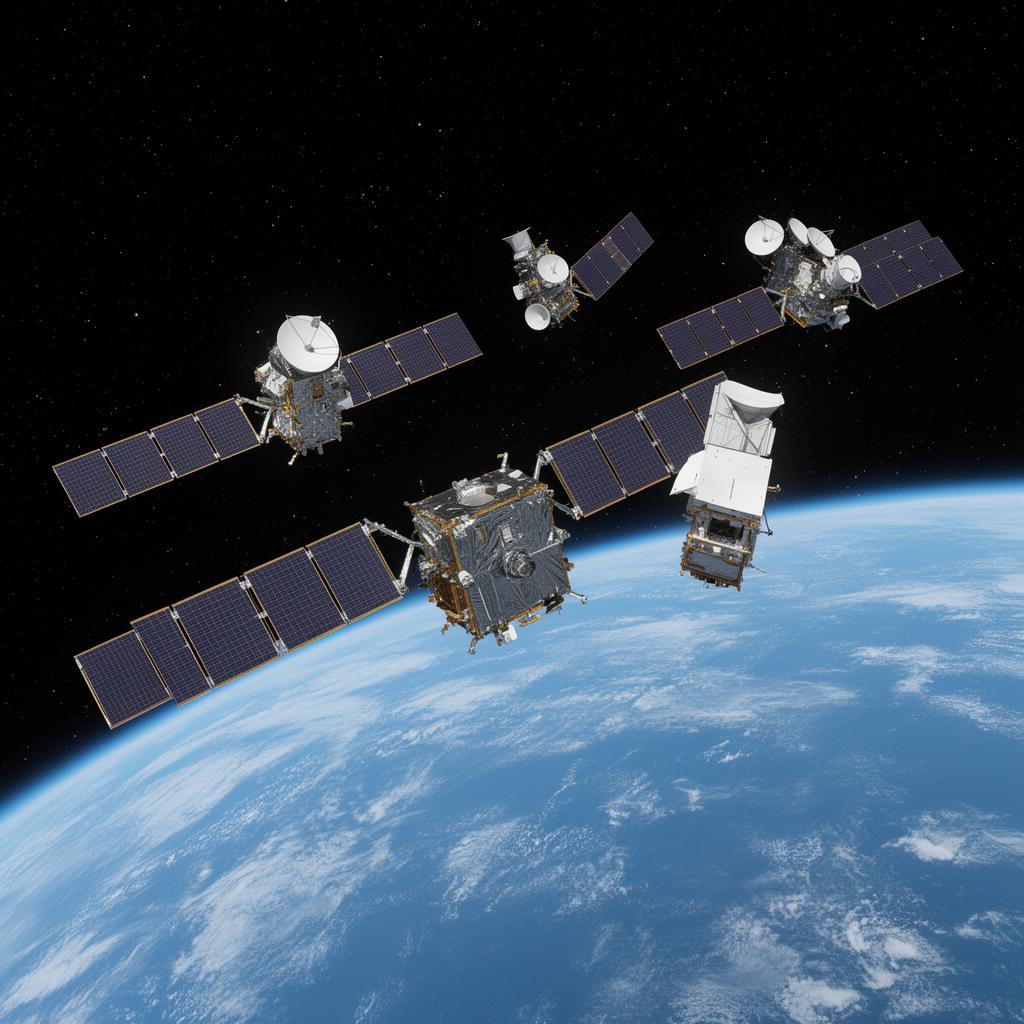
Tracking satellites, constellations and orbital traffic.
Use Cases
Mission preparation and security.
Constellation management and asset monitoring.
Improving operational performance.
Optimising infrastructure and passenger flows.
Management of critical operations.
Strategic surveillance and situational awareness.
Method
A continuous value chain, from orbital observation to operational decision.
Monitoring of infrastructure and the environment.
Precise positioning and synchronisation.
Secure global connectivity.
Tracking the orbital environment.
Predictive analysis and anomaly detection.
Optimised mission management.
Results
Applications
Four scenarios where space data transforms the conduct of aerospace operations.
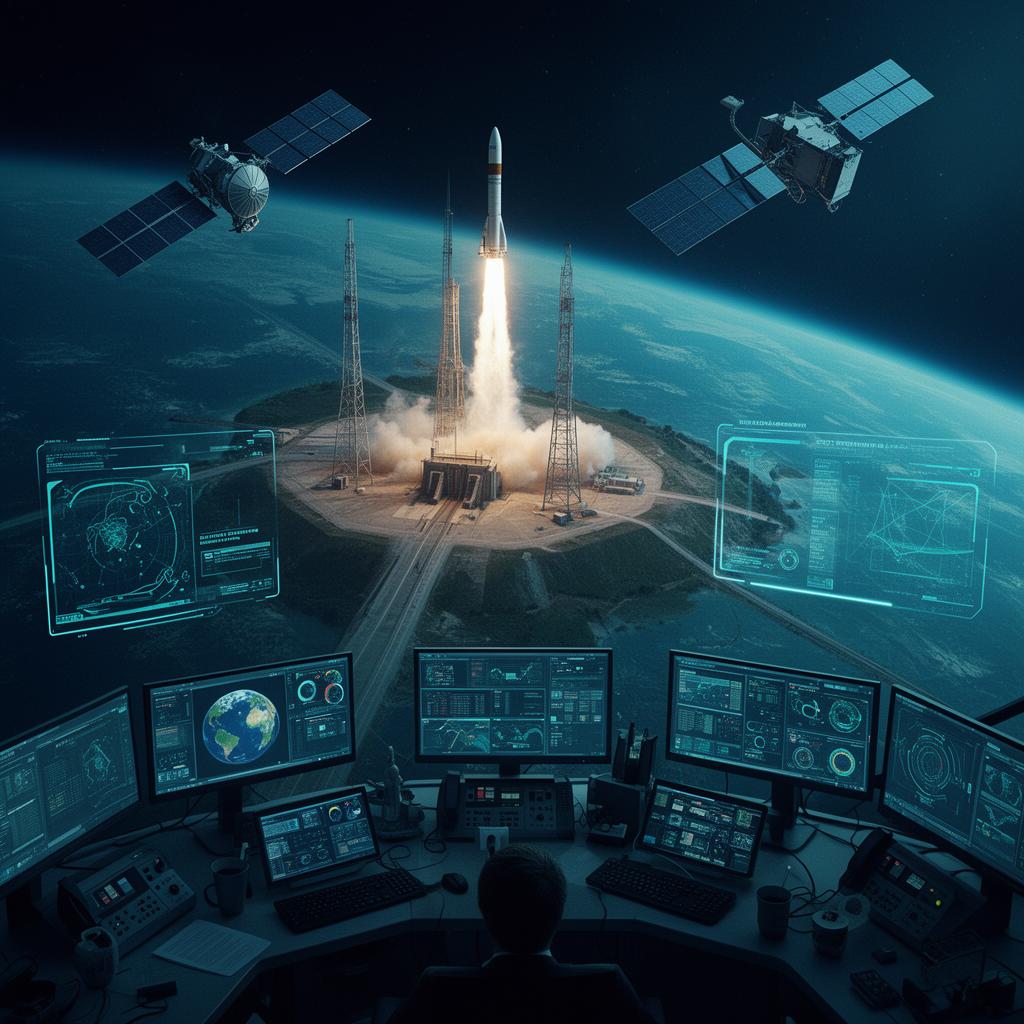
Monitoring sensitive zones prior to launch campaigns.

Satellite tracking and optimisation of orbital operations.

Continuous observation of strategic assets.
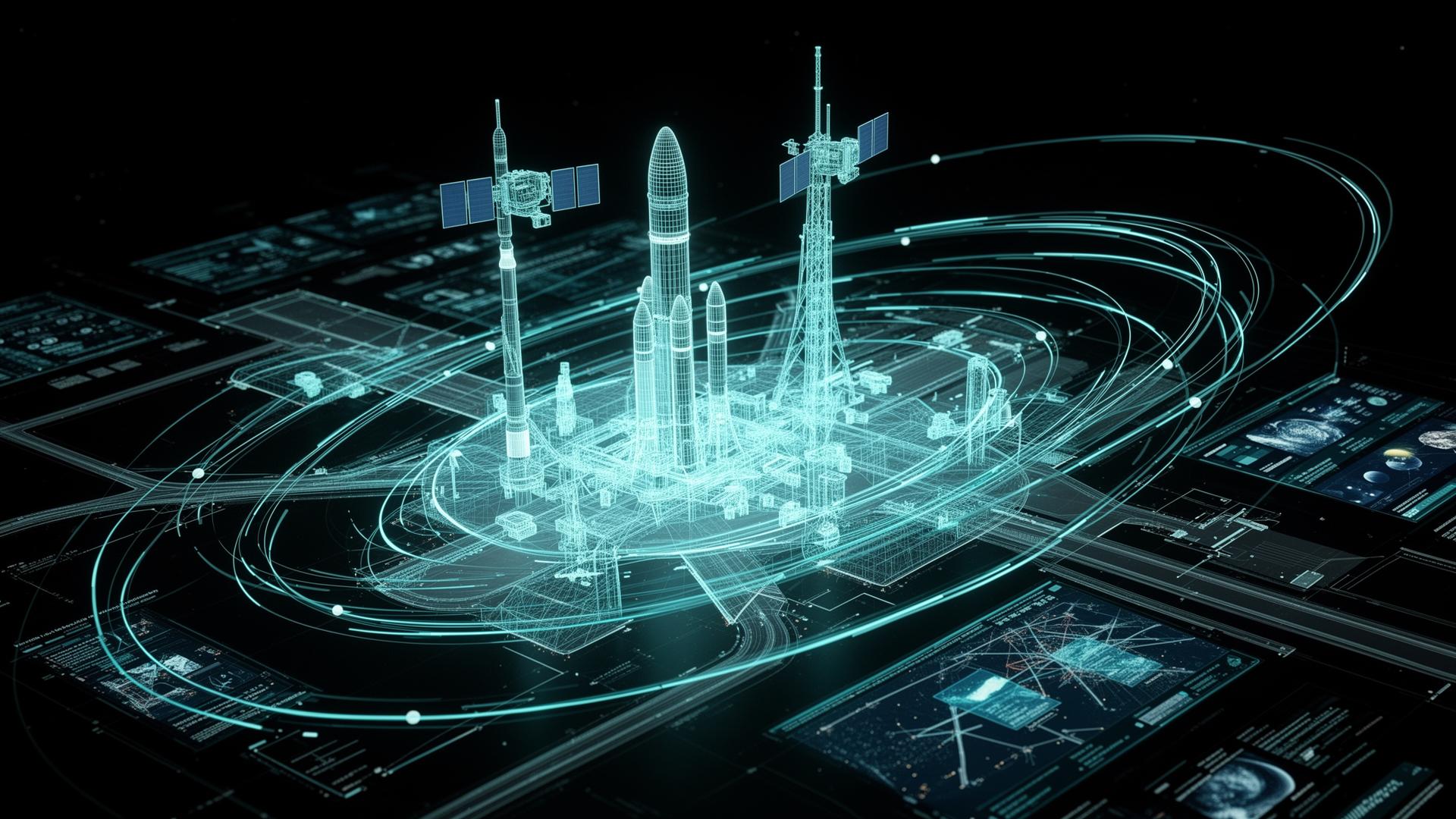
Analysis of environmental conditions and operational risks.
Convergence
Aeronautics and space are gradually converging towards a shared data ecosystem. Satellites now feed the navigation, communications, meteorology, surveillance and decision systems used daily by aerial and space operators.
This convergence opens the way to smarter, safer and more sustainable operations management.
Why Hyperion
We identify the most relevant technologies for your operational challenges.
Access to European and international New Space players.
Transforming orbital data into actionable indicators for decision-makers.
Perspectives
The advent of constellations, artificial intelligence, orbital services and digital twins is profoundly transforming the sector.
Tomorrow, every infrastructure, every mission and every asset will be tracked, analysed and optimised in real time through a unique combination of space and terrestrial data.
Let's take action
Discover how space technologies can strengthen the performance, safety and resilience of your aeronautical and space activities.
Explore
Space is transforming many fields. Move from one sector to another to explore what orbital data can bring to your business.